
Did you know? According to Google, sites that meet the recommended Core Web Vitals thresholds are 24% less likely to lose visitors during page load. In today’s cut-throat digital marketplace, even a one-second delay in loading your website could reduce conversions by up to 20%. Core web vitals explained is not just a buzzword—it’s a critical pathway to dominating the search results and capturing your target audience before competitors do.
What Are Core Web Vitals And Why Do They Matter?
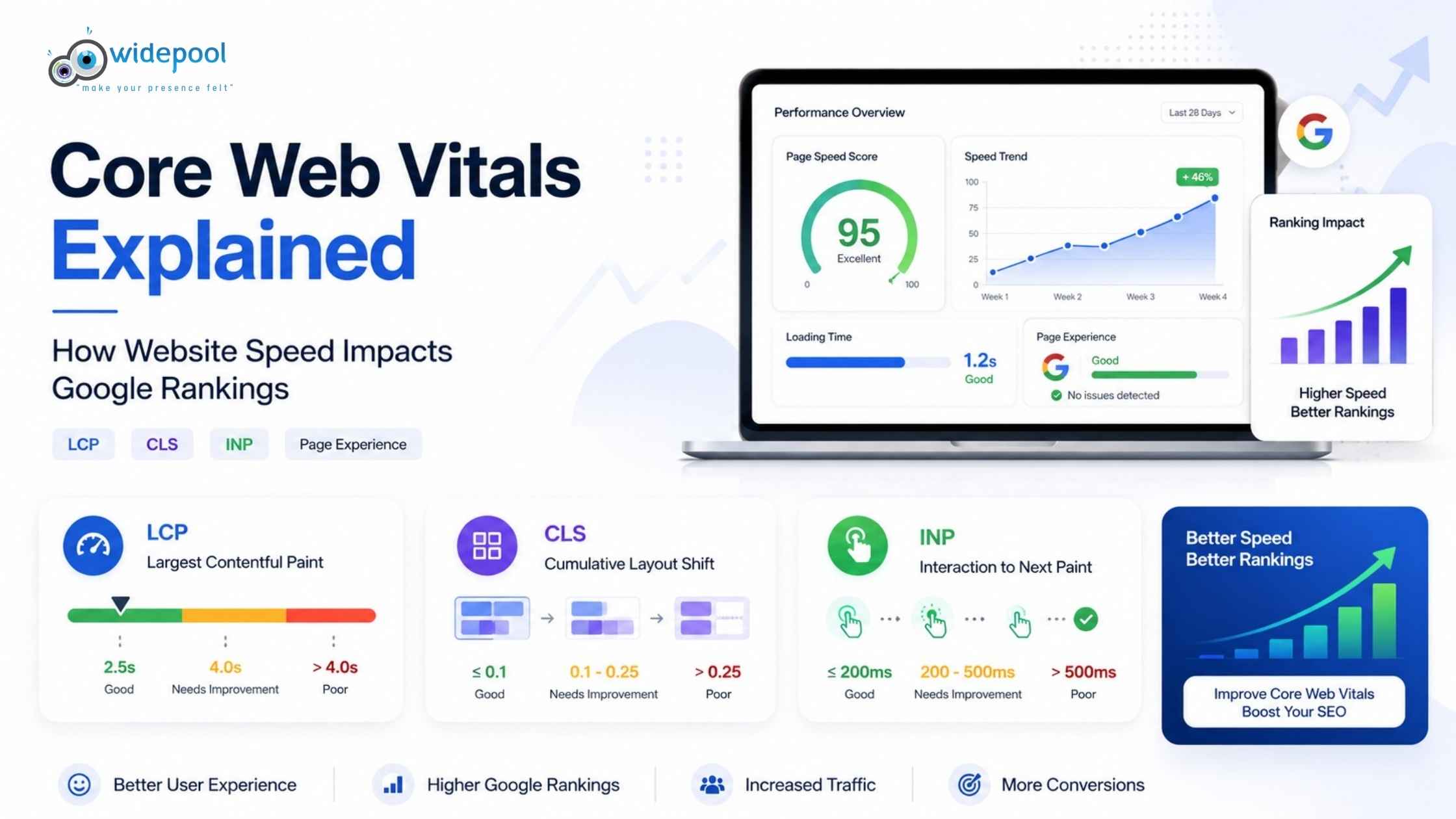
Core web vitals explained refers to a set of specific metrics that Google uses to measure the real-world experience of a user when visiting your website. These metrics are central to Google’s ongoing efforts to reward websites that offer superior user experience. In 2021, Google made Core Web Vitals a key part of its ranking algorithm, meaning your site’s performance in these areas can make or break your visibility online.
- Largest Contentful Paint (LCP): Measures loading performance. Should occur within 2.5 seconds of when the page first starts loading.
- First Input Delay (FID): Measures interactivity. Pages should have an FID of less than 100 milliseconds.
- Cumulative Layout Shift (CLS): Measures visual stability. Pages should maintain a CLS of less than 0.1.
If your website fails to meet these benchmarks, you risk dropping in rankings, losing potential leads, and undermining your digital marketing efforts. That’s why understanding core web vitals explained is the starting point for any serious SEO campaign.
How Does Website Speed Optimization Influence SEO?
When it comes to website speed optimization, every millisecond counts. Google’s algorithm is engineered to favor fast, responsive websites because speed is directly linked to user satisfaction. If your web page loads slowly, users are more likely to bounce, and Google takes notice.
- Improved Crawling and Indexing: Faster sites are easier for Googlebot to crawl, ensuring all your content is indexed.
- Better User Engagement: Users are more likely to stay, browse, and convert if the site loads quickly.
- Reduced Bounce Rate: Quick load times keep users from hitting the back button, signaling to Google that your content is valuable.
Widepool specializes in advanced website speed optimization strategies, leveraging minification, lazy loading, caching, image compression, and next-gen hosting solutions. Our process doesn’t just improve technical scores—it ensures that your visitors stay longer and convert more.
What Are Page Experience Signals And How Do They Affect Rankings?
Page experience signals encompass a broader spectrum of metrics, including Core Web Vitals, mobile-friendliness, HTTPS security, and the absence of intrusive interstitials. Google uses these signals to decide which websites offer the best experience and should therefore rank higher.
| Signal | Description | SEO Impact |
|---|---|---|
| Core Web Vitals | Measures loading, interactivity, and visual stability | Direct ranking factor |
| Mobile-Friendliness | Responsive design for all devices | Essential for mobile search |
| HTTPS | Secures user data | Boosts trust and ranking |
| No Intrusive Interstitials | No pop-ups that hinder content | Improves usability and ranking |
At Widepool, our SEO audits thoroughly analyze page experience signals to ensure your website aligns with Google’s standards. We implement actionable changes that enhance usability, foster trust, and lift your rankings.
Why Are Google Ranking Factors Closely Linked To Website Speed?
Google ranking factors now place heavy emphasis on speed and usability. In 2024, Google continues to refine its algorithm, weighing user experience and speed more than ever before. This shift means that technical improvements aren’t just “nice to have”—they’re mission-critical for staying ahead.
- Speed is a confirmed ranking factor for both desktop and mobile search.
- Google rewards sites with strong Core Web Vitals and positive page experience signals.
- Slow websites see reduced crawl budget, lower indexation, and diminished organic reach.
Widepool’s team deciphers the evolving landscape of Google ranking factors to give your website the technical edge it needs to secure top positions in search results.
How Does Page Load Speed Affect User Perception And Conversion?
Page load speed is the first impression your brand makes online. Studies show that 53% of mobile users abandon a site if it takes longer than three seconds to load. Beyond user frustration, slow sites suffer from lower conversion rates, poor brand perception, and increased bounce rates.
- Higher engagement: Fast-loading pages keep users exploring your offerings.
- Increased conversions: Every second shaved off load time can boost conversions by up to 7% (Akamai).
- Competitive advantage: Outperform rivals who ignore page load speed and lose customers as a result.
Widepool works relentlessly on page load speed improvements, ensuring your site delivers exceptional experiences that turn visitors into loyal customers.
How To Measure SEO Performance Metrics For Continuous Growth?
Monitoring SEO performance metrics is essential for verifying the impact of your speed and UX optimizations. These metrics offer a 360-degree view of your progress and help identify new opportunities for growth.
- Core Web Vitals scores (LCP, FID, CLS)
- Organic traffic growth
- Average position in search results
- Bounce and exit rates
- Conversion rates
- Mobile usability
Widepool’s proprietary reporting dashboards track SEO performance metrics in real-time, offering transparent insight into how your investment is translating into results.
How Does SEO-Optimized Website Lead To Better Lead Generation?
Having a website is just the beginning. To generate leads that matter, your site must be visible, fast, and optimized for search intent. Widepool ensures your website is:
- Optimized for core web vitals explained and speed
- Structured for easy crawling and indexing
- Content-rich, targeting user intent and long-tail queries
- Configured for seamless mobile experiences
This holistic approach multiplies your chances of ranking for high-intent keywords, capturing traffic, and converting visitors into qualified leads. Don’t let a slow or poorly optimized site cost you valuable business—let Widepool’s experts unlock your website’s true potential.
Widepool is India’s trusted partner for result-driven SEO and digital marketing services.
Don’t lose another customer to slow page speed or poor rankings.
Fill in our contact form, call us at +91 9019676890 / +91 9986450820, or use the WhatsApp interface at widepool.com to request a meeting.
Our team will call you back to help you dominate search results and drive business growth!
About Widepool
Widepool is a leading digital marketing and SEO agency based in India, specializing in website speed optimization, technical SEO audits, content marketing, and lead generation. With a proven track record of helping businesses achieve #1 rankings and exponential online growth, Widepool brings unmatched expertise, transparency, and a results-oriented approach to every project.
Our team of certified professionals leverages the latest industry best practices and Google’s evolving algorithms to ensure your website not only ranks higher but also delivers outstanding user experiences. Choose Widepool to transform your digital presence and convert your website into a powerful sales engine.
Phone: +91 9019676890, +91 9986450820
Website: https://widepool.com/
Contact Form: Submit your inquiry here
WhatsApp: Use the WhatsApp chat interface on the website to request a callback.
Frequently Asked Questions
What are Core Web Vitals and why do they matter for Google rankings?
Core Web Vitals are a set of specific factors that Google considers essential in a webpage’s overall user experience. They measure real-world user interaction and experience, focusing on loading performance, interactivity, and visual stability. Since Google has included these metrics as part of its page experience signals, they directly influence how your website ranks in search results. This is why understanding core web vitals explained is vital for anyone looking to improve their site’s visibility and user satisfaction.
How does website speed optimization impact SEO and rankings?
Website speed optimization ensures your pages load quickly, which is a crucial ranking factor in Google’s algorithm. Faster websites not only keep users engaged but also signal to Google that your site offers a positive experience. Improving your page load speed can enhance SEO performance metrics, reduce bounce rates, and ultimately help your site rank higher in search results.
What are the key Google ranking factors related to Core Web Vitals?
Google ranking factors related to Core Web Vitals include Largest Contentful Paint (LCP), First Input Delay (FID), and Cumulative Layout Shift (CLS). These metrics measure how fast a page loads, how quickly it becomes interactive, and how stable the content is as it loads. All three are essential for delivering a high-quality page experience to users and have a direct impact on your website’s position in search results.
How do page experience signals influence my site’s visibility?
Page experience signals encompass various aspects of how users perceive their interaction with a web page, beyond just the information it provides. Google uses these signals, including Core Web Vitals, mobile-friendliness, HTTPS, and lack of intrusive interstitials, to determine how enjoyable and accessible your website is. Enhancing these signals can lead to improved search engine rankings and more organic traffic.
What is page load speed and how is it measured?
Page load speed refers to the time it takes for the content of a web page to fully display in a user’s browser. It is measured using several metrics, including time to first byte, first contentful paint, and Largest Contentful Paint (LCP). Tools like Google PageSpeed Insights and Lighthouse provide insights and suggestions for improving your website’s load times.
How can Widepool help improve my site’s Core Web Vitals?
Widepool specializes in website speed optimization and comprehensive Core Web Vitals audits. Our team identifies bottlenecks affecting your site’s performance and implements advanced solutions, such as image optimization, code minification, and server enhancements. With our expertise, you can achieve better page experience signals, higher SEO performance metrics, and improved Google rankings.
What kind of SEO performance metrics does Widepool track and report?
Widepool tracks a range of SEO performance metrics, including Core Web Vitals scores, organic traffic, keyword rankings, bounce rates, and conversion rates. Our detailed reports provide actionable insights, helping you monitor progress and make data-driven decisions to continually improve your website’s SEO and user experience.
Are Core Web Vitals updates ongoing, and how does Widepool keep my site compliant?
Yes, Google regularly updates its algorithms and the metrics it uses for core web vitals explained. Widepool stays up-to-date with the latest best practices and Google guidelines, ensuring your website remains compliant and continues to perform optimally in search rankings as standards evolve.
How soon can I expect results from Widepool’s optimization services?
Results from website speed optimization and Core Web Vitals improvements can often be seen within days of implementation, especially in terms of faster load times and enhanced user experience. Improvements in Google ranking factors and SEO performance metrics may take a few weeks as search engines re-crawl and index your optimized website.